Retroscena di Vazhik
Un gruppo emergente nato in Italia dal 2010
CHI SIAMO
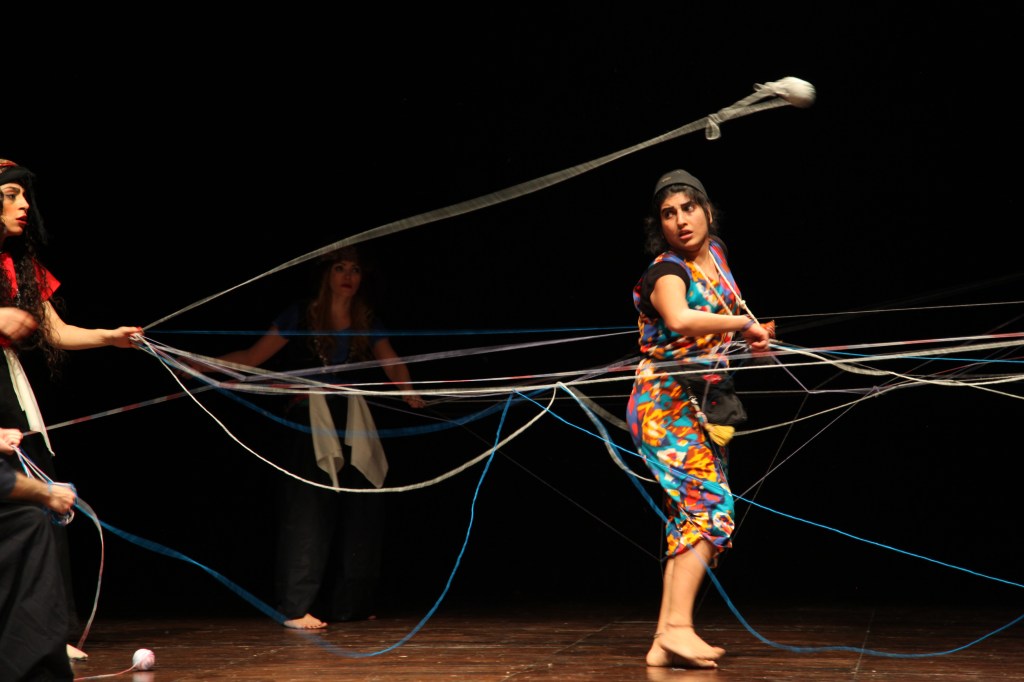
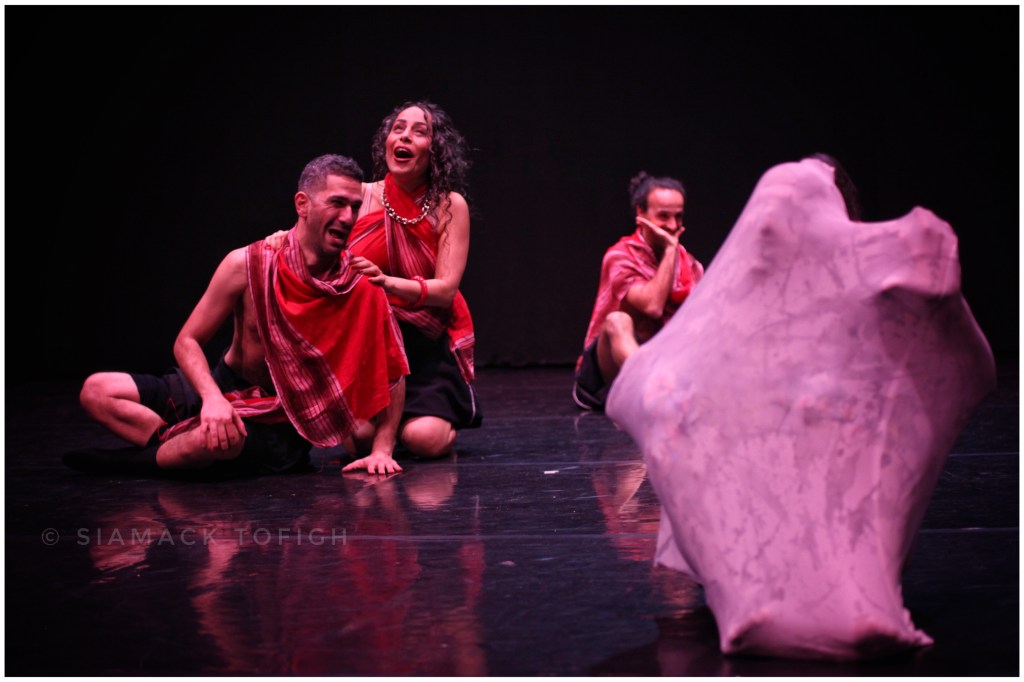
La compagna Vazhik, termine che deriva dall’antico farsi pre-islamico significa “danza, è un gruppo composto da artisti emergenti iraniani che sono residenti in Europa e soprattutto in Italia. Dal 2010 il gruppo è fondato per la divulgazione la propria cultura, ricca di tradizioni artistiche e coreutiche iraniane nel percorso di sviluppo artistico contemporaneo attraverso il teatro e la danza. la sua ricerca principale è integrare un’ampia varietà di identità corporee come esempio di performance e annullare la precedente difficoltà teorica persa in una sempre più complessa trama di eclettismo culturale. Le recenti opere d’arte, in particolare l’arte espressiva, dal punto di vista socio-culturale sia in occidente che in Iran si rifanno modelli critici distinti delle diversità e in alcune opere l’unicità del pensiero. Il gruppo Vazhik al di fuori delle classificazioni degli studi filosofici e bensì attraverso l’espressività corporea cerca di approfondire questi punti di vista. In altre parole, il corpo nell’arte performativa nel medio oriente e soprattutto in Iran vive nei rituali d’oggi con uno sguardo aperto ai riti e alle tradizioni nascoste tra i racconti storici e popolari. Questo corpo “moderno” per uscire da unaimitazione di quella occidentale, a partire dal 20° secolo comincia a esperimentare la sua identità corporea; che producendo una identità complessa crea delle interpretazioni non adeguate. Vazhik cerca di rendere una coerenza linguistico-significativa della definizione di “espressività corporea” che sarà una ricerca continua sulla semplificazione dei vari approcci individuali e delle forme integrate tra le culture.
درباره ی گروه
واژيك (واژه ایست گرفته شده از فارسي باستان قبل از اسلام، به معناي "رقص") گروهي است از هنرمندان ايراني كه اکثریت اعضا ی آن در ايتاليا و همچنین در کشورهای اروپایی زندگي مي كنند. این گروه در سال 2010 براي مطالعه و گسترش فرهنگ های غنی ایرانی، به خصوص در زمینه ی تآتر و رقص، و آمیخته گی آن با فرهنگ های به روز شده، با سرپرستی طراح رقص و اجراگر هادی حبیب نژاد مطالعه ی خود را آغاز کرد. مطالعه اصلی او در انواع هویت های بدنی ست تا بتوان از طریق شناخت چگونگی آنها در یک فرایند تجربی و ادغام آن در جامعه ای که در آن میزید، در حالیکه در یک قالب پیچیده تعریف شده است را بازسازی کند
آثار هنری معاصر، به ویژه هنرهای بیانی از نگاه فرهنگ های غربی و ایران نشانی از وجود تفاوت ها و نقاط مشترکی ست که گروه واژیک با عنصر بیان بدنی به مطالعه ی آن میپردازد. به مفهوم دیگر، نگرش و برخورد مدرن از بدن، در شرق و به خصوص در خاور میانه آمیخته ایست ازسنت ها و آیین های نهفته. واین بدن معاصر، به تقلید از غرب که از قرن گذشته راه خود را آغاز کرده، گهگاهی به جستجوی مدرنیزه شدن کرده و همین امر دچار تعییرات زیادی در بیان بدنی ایجاد کرده است. هرچند هر دو نگاه به نگرش ها و موضوعات پر اهمیت با دو نگاه متمایز دارند اما از طرق مختلف با یکدیگر ادغام شده اند. اثر جدید واژیک با تلاش برایجاد انسجام بین این دگرگونی، و مطالعه بر گویش و معانی تعریف نشده، قصد ساده سازی و بازخورد اجتماعی این پیچیدگی ها را دارد
ABOUT US
Vazhik(a word taken from ancient pre-Islam Farsi, meaning “Dance”) is a group of Iranian artists mostly living in Italy and also other European countries. In 2010 this group initiated its studies focusing on exploring and expanding rich Iranian cultures in particular theater and dance and amalgamation of it with modernized cultures led by choreographer and performer Hadi Habibnejad. His principal study is focused on the varieties of corporal identities. So to reconstruct that by understanding qualities in an empirical process and the integration of it into the society in which they live, all in a complex format.
Contemporary works of art, especially expressive art, from the socio-cultural point of view in both the West and Iran refer to distinct critical patterns of diversity and in some works the uniqueness of thought.The Vazhik group beyond the classifications of philosophical studies and rather through corporal expressiveness tries to deepen these points of views. In other words, the body in performance art in the Middle East and especially in Iran lives in contemporary rituals with an open eye to rituals and traditions hidden among historical and folk tales. This “modern” body in order to keep away from an imitation of the western one, starting from the 20th century begins to experience its corporal identity; that by producing a complex identity creates inadequate interpretations. Vazhik seeks to make a linguistic-meaningful coherence of the definition of ” corporal expressiveness” that will be a constant research on the simplification of various individual approaches and integrated forms between cultures.
 vazhik